

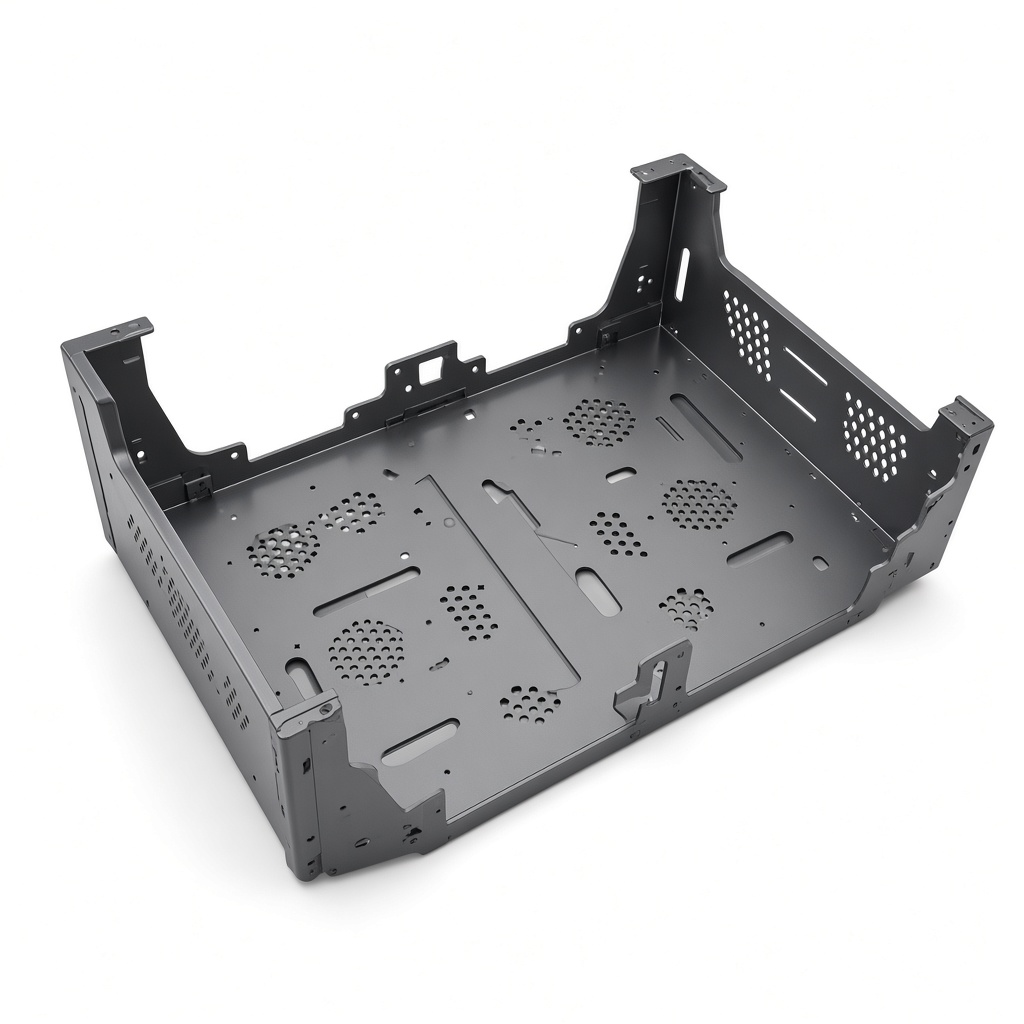
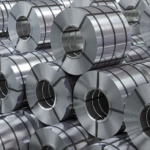
Sheet metal parts are commonly manufactured from carbon steel, stainless steel, aluminum, galvanized steel and copper alloys. Material selection affects strength, corrosion resistance, weight, formability, weldability, surface finish and service life.
We provide custom sheet metal fabrication, laser cutting, CNC bending, stamping, welding and surface finishing for prototypes and low-volume production.

Common Sheet Metal Materials
| Material | Common Grades | Key Properties | Typical Applications |
|---|---|---|---|
| Mild Steel | A36 / Q235 | Good strength, weldability and formability | Frames, brackets, enclosures |
| Carbon Steel | A572 / Q345 | Higher strength than mild steel | Structural parts, machinery |
| Stainless Steel | 304 / 304L | Excellent corrosion resistance, good formability | Food, medical, industrial equipment |
| Stainless Steel | 316 / 316L | Excellent corrosion and chemical resistance | Marine, chemical, medical |
| Aluminum | 5052 | Excellent formability and corrosion resistance | Enclosures, panels, brackets |
| Aluminum | 6061-T6 | High strength, lightweight, machinable | Structural components, machinery |
| Aluminum | 7075-T6 | Very high strength-to-weight ratio | Aerospace, high-performance parts |
| Galvanized Steel | G90 / DX51D | Corrosion protection with good formability | Enclosures, HVAC, construction |
| Copper | C11000 | Excellent electrical and thermal conductivity | Busbars, electrical components |
| Brass | C26000 / C36000 | Good corrosion resistance and machinability | Decorative and electrical parts |
Material Selection Guide
| Requirement | Recommended Materials |
|---|---|
| General sheet metal fabrication | A36 / Q235 |
| High structural strength | A572 / Q345 |
| Corrosion resistance | 304 / 316 Stainless Steel |
| Marine environment | 316 / 316L |
| Excellent formability | 5052 Aluminum / 304 Stainless |
| Lightweight construction | 5052 / 6061 Aluminum |
| High strength-to-weight ratio | 6061-T6 / 7075-T6 |
| Outdoor applications | Galvanized Steel / Stainless Steel |
| Electrical conductivity | C11000 Copper |
| Good machinability | C36000 Brass |
| Cost-effective enclosures | Mild Steel / Galvanized Steel |
Common Failure Factors
- Corrosion: rust, pitting and surface degradation
- Fatigue: cracking caused by repeated loading
- Buckling: deformation of thin sheet under compression
- Creep: long-term deformation at elevated temperature
- Weld failure: cracking, distortion or insufficient joint strength
- Galvanic corrosion: corrosion between dissimilar metals
- Surface damage: scratches, coating failure and oxidation
- Excessive bending: cracking or permanent deformation
Sheet Metal Design Considerations
When designing sheet metal parts, consider:
- Material thickness
- Bend radius
- Bend allowance and K-factor
- Minimum flange length
- Hole-to-edge distance
- Hole-to-bend distance
- Tolerances
- Weld and fastener locations
- Material grain direction
- Surface finishing requirements
Avoid placing holes or cutouts too close to bend lines, and use an appropriate inside bend radius to reduce cracking and deformation.
Sheet Metal Surface Finishes
Common finishing options include:
Powder Coating · Anodizing · Plating · Brushing · Polishing · Sandblasting · Passivation · Galvanizing · Painting
The appropriate finish depends on the required corrosion resistance, appearance, wear resistance and operating environment.
 wade@axiprecision.com
 +8613686195573