

Energy Manufacturing & Custom Components
Custom Energy Components From Prototype to Production
The energy industry is changing fast. New products, new technologies, and new applications are constantly entering the market — from battery systems and EV charging equipment to solar energy systems, energy storage, power electronics, and industrial energy equipment.
For energy companies, the challenge is not simply finding a manufacturer that can make a part.
The real challenge is finding a manufacturing partner that can understand the design, solve manufacturing problems, support product development, and scale from prototype to production.
We provide custom manufacturing solutions for energy products, including CNC machining, rapid prototyping, injection molding, sheet metal fabrication, rapid tooling, die casting, low-volume manufacturing, and assembly.
Whether you are developing a new energy product or improving an existing design, we help turn your engineering drawings and CAD files into reliable, production-ready components.
Manufacturing Solutions for the Energy Industry
Energy products often combine mechanical structures, electrical components, thermal management systems, enclosures, brackets, housings, and precision components.
Different parts require different manufacturing processes.
Our goal is not to force every component into one manufacturing process. We help select the right process based on the part design, material, quantity, tolerance, surface requirements, and production stage.
This gives energy companies more flexibility during product development and production.
CNC Machining for Energy Components
CNC machining is widely used for energy equipment because many components require accurate dimensions, strong materials, and reliable mechanical performance.
We provide custom CNC machining for components such as:
- Battery system components
- Energy storage components
- Aluminum housings
- Heat sinks and thermal components
- Mounting brackets
- Structural components
- Connectors and mechanical interfaces
- Motor and actuator components
- Charging equipment components
- Power electronics enclosures
- Custom fixtures and tooling
Materials can include aluminum, stainless steel, steel, brass, copper, engineering plastics, and other commonly used manufacturing materials.
For prototypes and low-volume production, CNC machining can be a practical way to validate a design without investing heavily in tooling.
Rapid Prototyping for New Energy Products
Developing an energy product usually involves multiple design iterations.
A component may look correct in CAD but behave differently once it is manufactured and assembled.
That is why physical prototypes are important.
Our rapid prototyping services help engineering teams quickly validate:
- Product dimensions
- Mechanical fit
- Assembly
- Component interfaces
- Enclosure design
- Mounting locations
- Thermal management concepts
- Cable and connector routing
- User access and maintenance
- Overall product structure
Instead of spending months developing a product before discovering a mechanical problem, you can build a prototype, test it, identify problems, and improve the design before moving into production.
CAD → Prototype → Testing → Design Improvement → Production
This approach helps reduce development risk and avoid expensive changes later.
Injection Molding for Energy Products
When production quantities increase, injection molding can provide a cost-effective solution for many plastic components.
We support custom injection molding for applications such as:
- Battery housings and covers
- Electrical enclosures
- Connector housings
- Protective covers
- Insulating components
- Cable management components
- Control system housings
- Charging equipment components
- Internal structural components
- Consumer energy products
Injection molding is particularly useful when a product requires consistent dimensions, repeatability, good appearance, and efficient high-volume production.
We can also support the transition from prototype parts to injection-molded production parts.
Rapid Tooling for Faster Product Development
Traditional production tooling can require significant time and investment.
For new energy products, this can become a problem when the design is still evolving.
Rapid tooling provides a practical middle ground between prototype manufacturing and full-scale production.
It can be used to:
- Validate injection-molded parts
- Test production materials
- Verify assembly
- Produce small production batches
- Test products in real applications
- Reduce tooling lead time
- Avoid committing to expensive production tooling too early
This is especially useful for startups, engineering teams, and companies launching new energy products.
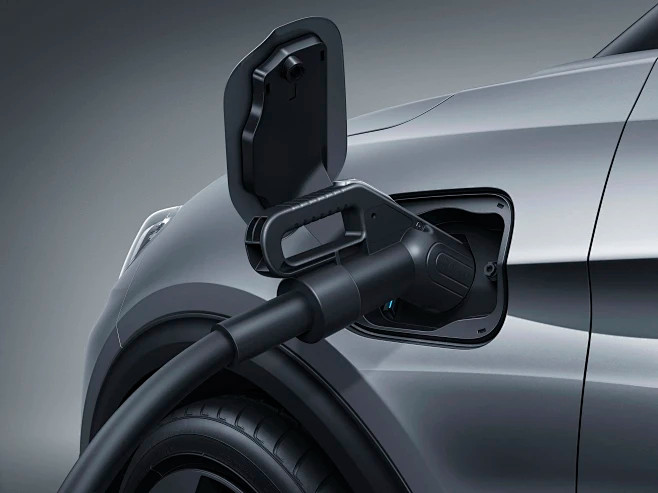
Sheet Metal Fabrication for Energy Equipment
Many energy systems require metal enclosures, mounting structures, brackets, panels, frames, and protective covers.
Sheet metal fabrication provides a flexible solution for these applications.
Typical components include:
- Electrical enclosures
- Battery system cabinets
- Control boxes
- Mounting brackets
- Equipment panels
- Protective covers
- Structural frames
- Cooling system components
- Charging equipment housings
- Industrial equipment components
We can support processes such as laser cutting, CNC bending, welding, tapping, assembly, and surface finishing.
This allows multiple sheet metal operations to be coordinated through one manufacturing partner instead of managing several suppliers separately.
Die Casting for High-Volume Energy Components
Die casting can be a good choice for complex metal components that require high repeatability and efficient production.
Typical applications include:
- Aluminum housings
- Motor components
- Power electronics housings
- Heat management components
- Structural components
- Automotive energy components
- Charging equipment components
For higher production volumes, die casting can help reduce part cost while maintaining consistent dimensions and mechanical performance.
We can also support secondary machining, finishing, and other post-processing requirements when necessary.
Low-Volume Manufacturing for Energy Startups and New Products
Not every energy company needs thousands or millions of parts.
Many companies begin with:
- Engineering prototypes
- 10–50 pieces
- 50–500 pieces
- Pilot production
- Field testing
- Market validation
- Pre-production batches
At this stage, finding a supplier willing to support low quantities can be difficult.
Large manufacturers may require high MOQs, while prototype suppliers may not have the capability to support production.
Our low-volume manufacturing services help bridge this gap.
You can start with a small batch, test the product in the real world, make improvements, and increase production when demand becomes clearer.
Prototype → Low Volume → Pilot Production → Mass Production
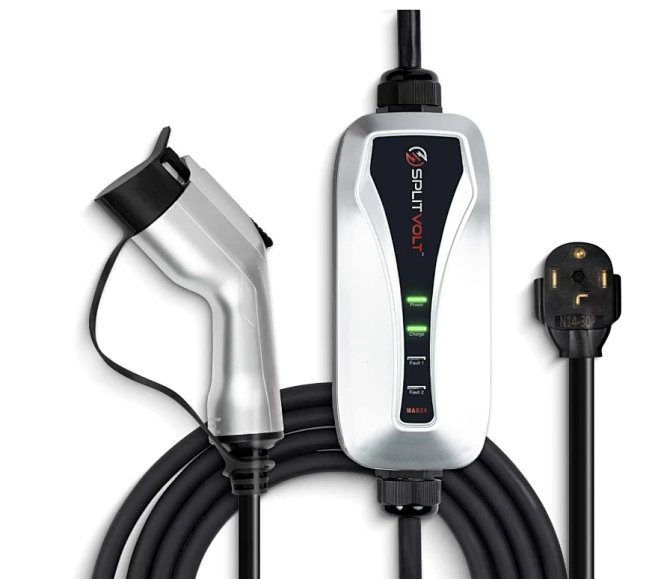
One Manufacturing Partner for Multiple Processes
Energy products rarely consist of one type of component.
A single product may require:
- CNC machined aluminum parts
- Injection-molded plastic housings
- Sheet metal brackets
- Die-cast components
- Rubber or plastic components
- Custom fasteners
- Surface finishing
- Mechanical assembly
Managing all these suppliers separately can create unnecessary communication and coordination problems.
Different suppliers may also interpret drawings, tolerances, finishes, and quality requirements differently.
Working with one experienced manufacturing partner can simplify the process.
Fewer Suppliers → Less Communication → Easier Coordination → Fewer Delays
We can help coordinate multiple manufacturing processes according to your product requirements.
Engineering Support, Not Just Manufacturing
One of the biggest problems in custom manufacturing is that a supplier may simply manufacture whatever is shown on the drawing.
If the design has a difficult feature, unnecessary tolerance, poor draft, difficult assembly condition, or manufacturing risk, the problem may not appear until production.
Our engineering-oriented approach is different.
We review your design from a manufacturing perspective and look for potential issues before production begins.
Depending on the project, we can help identify:
- Difficult-to-machine features
- Unnecessary tight tolerances
- Poor wall thickness
- Draft angle problems
- Difficult machining access
- Tooling limitations
- Assembly problems
- Surface finishing risks
- Material selection concerns
- Cost-reduction opportunities
The goal is simple:
Make the part easier to manufacture without compromising its function.
DFM for Energy Components
Design for Manufacturing is particularly important for energy products because many components need to balance performance, reliability, cost, weight, and manufacturability.
A good DFM review can help answer questions such as:
- Can this part be manufactured reliably?
- Is the selected material appropriate?
- Is the tolerance actually necessary?
- Can the geometry be simplified?
- Is the part suitable for CNC machining or injection molding?
- Would sheet metal be more economical?
- Should this component be redesigned for die casting?
- Can multiple parts be combined?
- Can assembly time be reduced?
- Can tooling costs be reduced?
Making these decisions earlier can prevent expensive design changes later.
Built for Performance, Reliability, and Real-World Use
Energy components are often used in demanding environments.
Depending on the application, components may need to withstand:
- Heat
- Vibration
- Mechanical loads
- Repeated assembly
- Outdoor environments
- Moisture
- Corrosion
- Temperature changes
- Continuous operation
Manufacturing is therefore not simply about producing a part that matches the CAD model.
The part needs to work properly in the real application.
We consider factors such as material selection, dimensional accuracy, surface finish, structural design, assembly requirements, and production consistency to help ensure that components are suitable for their intended application.
Surface Finishing for Energy Components
Appearance may not always be the primary concern for energy equipment, but surface treatment can still play an important role in durability, corrosion resistance, insulation, and product appearance.
Depending on the material and application, available finishing options may include:
- Anodizing
- Powder coating
- Electroplating
- Brushing
- Polishing
- Sandblasting
- Passivation
- Painting
- Other industrial surface treatments
We can help coordinate manufacturing and finishing requirements as part of the overall production process.
From Energy Product Idea to Production
Developing a new energy product does not always follow a straight path.
Designs change.
Components are redesigned.
Prototypes fail.
Requirements evolve.
Production quantities increase.
Your manufacturing supplier needs to be able to keep up with those changes.
Our manufacturing workflow can support different stages of product development:
Concept → CAD → DFM → Prototype → Testing → Design Improvement → Tooling → Low-Volume Production → Production Scaling
This means you do not necessarily need to find a new supplier every time your project moves into a different manufacturing stage.
Why Work With Us?
Engineering Experience
Our engineering background helps us understand not only how to manufacture a component, but also why it was designed that way.
Multiple Manufacturing Processes
CNC machining, injection molding, sheet metal fabrication, rapid tooling, die casting, prototyping, and low-volume manufacturing can be coordinated through one supply chain.
Flexible Production Quantities
Whether you need a few prototypes or a larger production run, we can select an appropriate manufacturing method for your quantity and requirements.
Practical DFM Support
We focus on real manufacturing problems, not just theoretical design recommendations.
Faster Development
Rapid prototyping and rapid tooling can help shorten the time between CAD design and physical product validation.
Better Supplier Coordination
One manufacturing partner for multiple processes can reduce communication and coordination between different suppliers.
From Prototype to Production
We can support your project as it moves from early-stage prototypes to low-volume production and eventually larger production runs.
Custom Energy Manufacturing That Grows With Your Product
Whether you are developing an energy storage system, EV charging product, solar equipment, power electronics, battery-related equipment, or another energy product, manufacturing requirements can change as the product develops.
You may need 10 prototypes today, 100 pilot parts next month, and thousands of production parts later.
The right manufacturing strategy needs to change with you.
We help energy companies select practical manufacturing solutions at each stage — from CNC machining and rapid prototyping to injection molding, sheet metal fabrication, rapid tooling, die casting, and low-volume production.
You bring the energy product idea. We help turn it into a manufacturable, testable, and production-ready product.

 wade@axiprecision.com
 +8613686195573