

Plastic Materials Guide
Plastic materials are widely used in injection molding, CNC machining, automotive, electronics, medical devices, consumer products and industrial applications. Different plastics offer different combinations of strength, temperature resistance, chemical resistance, wear resistance and dimensional stability.
Choosing the right plastic depends on the material properties, operating environment, manufacturing process and product requirements.
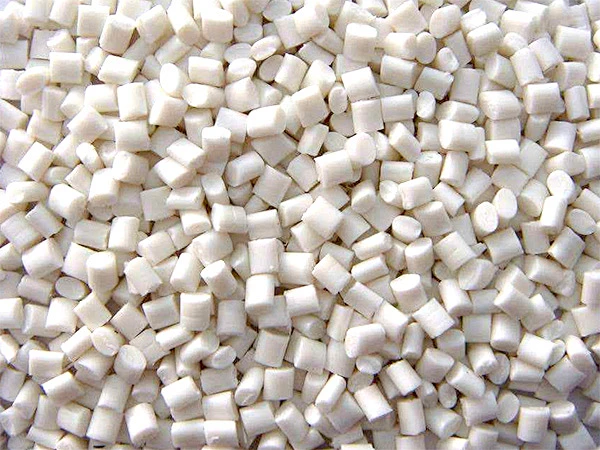
Common Plastic Materials
| Plastic | Key Properties | Typical Applications | Operating Environment | Drying | Injection Molding Temp. |
|---|---|---|---|---|---|
| ABS | Good strength, impact resistance, easy to process | Housings, automotive, electronics | Indoor, moderate temperature | 70–85°C, 2–4 h | 220–260°C |
| PC | Excellent impact resistance, high strength, transparent | Automotive, electronics, safety parts | High impact, moderate-high temperature | 110–125°C, 3–6 h | 270–320°C |
| PC/ABS | Impact resistance + good processability | Automotive, electronics, housings | Moderate-high temperature | 80–100°C, 2–4 h | 240–280°C |
| PA6 | High strength, wear resistance, good toughness | Gears, brackets, automotive | Mechanical loading | 70–90°C, 4–8 h | 240–280°C |
| PA66 | Higher strength and temperature resistance than PA6 | Automotive, gears, mechanical parts | High mechanical load | 70–90°C, 4–8 h | 260–300°C |
| POM | Low friction, wear resistance, dimensional stability | Gears, bearings, precision parts | Mechanical/wear applications | Usually not required | 190–220°C |
| PP | Lightweight, chemical resistance, fatigue resistance | Automotive, containers, living hinges | Chemical, humid environments | Usually not required | 190–240°C |
| PE | Lightweight, chemical resistance, toughness | Tanks, containers, pipes | Chemical/humid environments | Usually not required | 190–230°C |
| PMMA | Excellent transparency, UV resistance, surface finish | Lenses, covers, optical parts | Outdoor/optical applications | 70–90°C, 3–5 h | 220–260°C |
| PBT | Strength, dimensional stability, electrical properties | Connectors, automotive, electronics | Electrical/automotive | 120–140°C, 3–6 h | 240–270°C |
| PPS | High temperature, chemical resistance, dimensional stability | Automotive, electrical, industrial | High temperature/chemical | 120–150°C, 3–6 h | 300–340°C |
| PEEK | Excellent strength, temperature, chemical and wear resistance | Aerospace, medical, semiconductor | Extreme temperature/chemical | 120–150°C, 3–6 h | 340–400°C |
| PEI | High temperature, strength, dimensional stability | Aerospace, medical, electrical | High temperature | 120–150°C, 4–6 h | 340–400°C |
| PPSU | Excellent toughness, heat and hydrolysis resistance | Medical, plumbing | Hot water/steam sterilization | 120–150°C | 360–400°C |
| PTFE | Extremely low friction, excellent chemical resistance | Seals, bearings, chemical equipment | High temperature/chemical | Usually not required | Specialized processing |
| TPU | Flexible, elastic, abrasion resistant | Seals, grips, flexible parts | Wear/flexible applications | 80–110°C, 2–4 h | 190–230°C |
| TPE | Flexible, soft, good elasticity | Seals, grips, soft-touch parts | Flexible applications | Grade-dependent | Grade-dependent |
Note: The temperatures and drying conditions above are general starting ranges. Actual processing parameters should follow the specific resin manufacturer’s datasheet.
Plastic Selection Guide
| Requirement | Recommended Materials |
|---|---|
| General-purpose housing | ABS / PC-ABS |
| High impact resistance | PC |
| Precision gears | POM |
| High mechanical strength | PA66 / PEEK |
| Low friction | POM / PTFE / PEEK |
| Chemical resistance | PP / PE / PTFE / PEEK |
| High temperature | PPS / PEI / PEEK |
| Optical transparency | PC / PMMA |
| Lightweight | PP / PE |
| Electrical components | PBT / PPS / PEI |
| Medical applications | PEEK / PPSU / PEI |
| Flexible components | TPU / TPE |
| Living hinges | PP |
| Wear-resistant parts | POM / UHMWPE / PEEK |
Common Plastic Failure Factors
The performance and service life of plastic parts can be affected by:
- Heat: thermal degradation and loss of strength
- Moisture: hydrolysis and dimensional changes
- UV exposure: discoloration and embrittlement
- Chemicals: stress cracking or material degradation
- Creep: long-term deformation under load
- Poor processing: internal stress, warpage and reduced mechanical properties
- Incorrect material selection: premature cracking, wear or failure
 wade@axiprecision.com
 +8613686195573