

From Beauty Product Ideas to Production-Ready Components
The beauty and cosmetics industry moves fast.
New skincare products, beauty devices, makeup tools, personal care products, and cosmetic packaging are constantly being developed and updated. For brands and product companies, getting a new product to market quickly can make a real difference.
But bringing a beauty product from an idea to a finished product is not always straightforward.
The housing may need to look premium while remaining cost-effective. Plastic components need to fit precisely. Metal parts may require tight tolerances and high-quality finishes. A new beauty device may need several rounds of prototyping before the design is ready for production.
This is where the right manufacturing partner can make a difference.
We provide CNC machining, injection molding, rapid prototyping, rapid tooling, sheet metal fabrication, die casting, 3D printing, urethane casting, and assembly for beauty and cosmetics products.
Whether you are developing a new beauty device, cosmetic container, skincare product, personal care product, or functional component, we help turn your design into real, production-ready parts.
Manufacturing Solutions for Beauty & Cosmetics
Beauty products often combine appearance, functionality, and mechanical performance.
A product may contain a plastic housing, aluminum components, internal brackets, buttons, covers, decorative parts, threaded components, or precision mechanisms.
There is rarely one manufacturing process that works for everything.
We select the manufacturing process according to the actual requirements of each component, including material, geometry, tolerance, quantity, surface finish, product development stage, and target cost.
This gives customers more flexibility when developing and manufacturing new beauty products.
CNC Machining for Beauty Products and Devices
CNC machining is a practical solution for producing precision metal and plastic components used in beauty devices and cosmetic products.
It is especially useful for prototypes, functional components, premium housings, structural parts, and low-volume production.
Typical applications include:
- Beauty device housings
- Skincare device components
- Aluminum covers
- Internal brackets
- Motor mounts
- Precision shafts
- Mechanical components
- Display frames
- Knobs and buttons
- Cosmetic tool components
For a new product, CNC machining also provides a fast way to produce functional prototypes before investing in production tooling.
Engineers can test the actual part, check assembly, verify dimensions, evaluate ergonomics, and identify design problems before moving forward.
Rapid Prototyping for Beauty Product Development
A product can look perfect on a computer screen and still have problems in the real world.
Maybe two components interfere with each other.
Maybe the housing feels too large in the hand.
Maybe a button is difficult to press.
Maybe the wall thickness is not suitable for injection molding.
Or perhaps the final assembly simply does not feel as good as expected.
Physical prototypes help identify these problems early.
We provide rapid prototyping using CNC machining, 3D printing, urethane casting, sheet metal fabrication, and other suitable processes.
The typical development cycle looks like:
CAD Design → Prototype → Test → Improve → Prototype Again → Production
This approach allows beauty brands and product developers to make decisions based on real parts instead of relying entirely on CAD models.
Injection Molding for Beauty & Cosmetics
Plastic is one of the most widely used materials in the beauty and cosmetics industry.
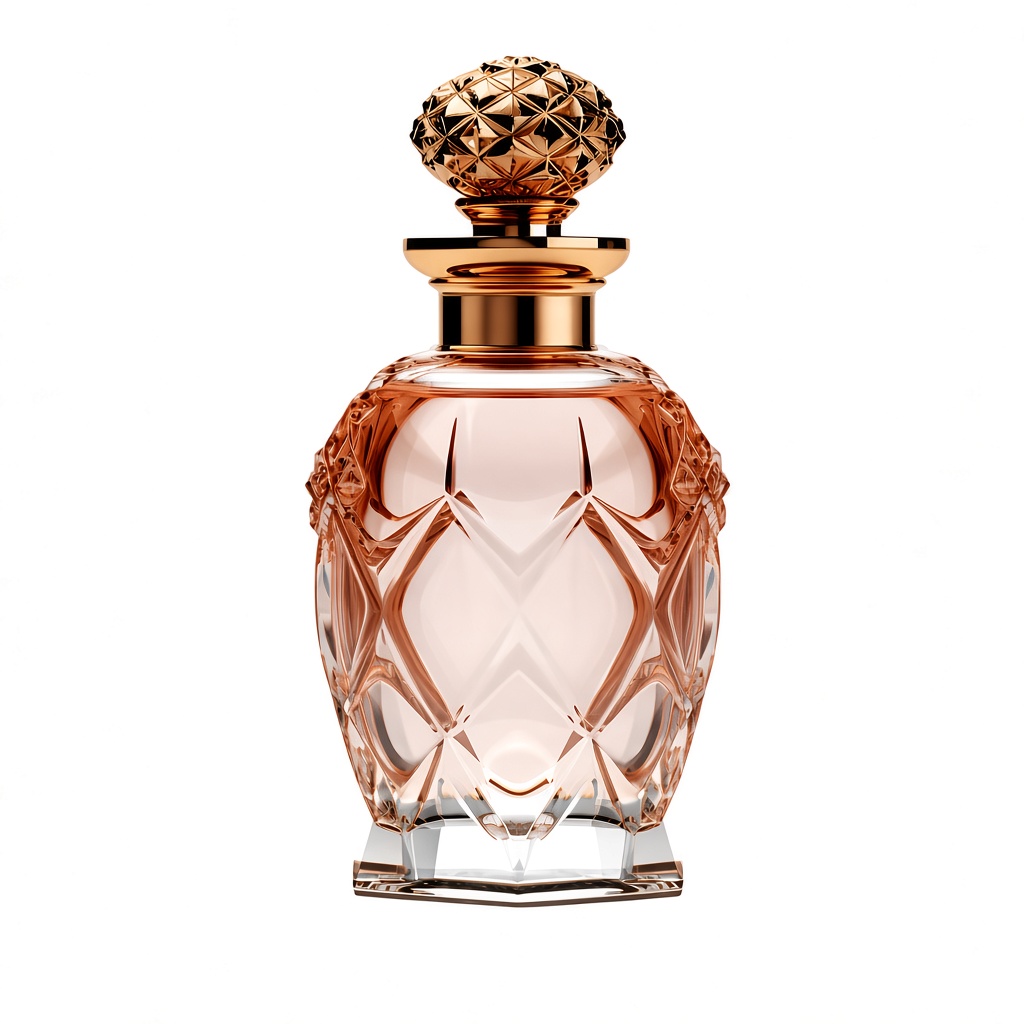
It can be found in cosmetic containers, skincare products, beauty devices, applicators, dispensers, caps, covers, housings, and internal components.
Injection molding is ideal when you need repeatable, high-quality plastic parts at production volumes.
Typical applications include:
- Cosmetic product housings
- Beauty device housings
- Bottle caps and closures
- Cosmetic containers
- Applicator components
- Dispenser components
- Buttons and switches
- Internal structural parts
- Protective covers
For injection-molded beauty products, product design and mold design need to work together.
Important factors include wall thickness, draft angles, ribs, bosses, gate location, ejection, shrinkage, warpage, parting lines, and cosmetic requirements.
Considering these factors early can reduce tooling problems, avoid unnecessary mold modifications, and improve production stability.
Rapid Tooling for New Beauty Products
Not every new beauty product is ready for high-volume production from day one.
You may need a few hundred or a few thousand units for product testing, market validation, influencer campaigns, pre-launch sales, or an initial product launch.
In these situations, investing heavily in a long-life production mold may not always be the best choice.
Rapid tooling can provide a more flexible option.
It allows companies to obtain production-like injection molded parts with a lower initial investment and shorter development time.
Rapid tooling can be useful for:
- New product launches
- Market testing
- Engineering validation
- Pilot production
- Low-volume production
- Pre-production builds
It gives brands more room to test the market before making a large production commitment.
Sheet Metal Fabrication for Beauty Devices
Modern beauty products are not limited to plastic.
Many beauty devices use metal frames, brackets, covers, mounting plates, internal structures, and chassis components.
Sheet metal fabrication can be a practical and cost-effective solution for these applications.
Typical processes include:
- Laser cutting
- CNC bending
- Punching
- Welding
- Riveting
- Threading
- Surface finishing
- Assembly
For beauty devices, sheet metal can provide the strength and rigidity needed for internal structures while keeping the design relatively simple and economical.
Die Casting for High-Quality Metal Components
For beauty devices that require lightweight but rigid metal components, die casting can be an effective production method.
Die-cast aluminum and zinc components can be used for:
- Device frames
- Housings
- Structural components
- Heat-dissipation components
- Mounting components
- Decorative metal parts
When production quantities increase, die casting can provide good repeatability and efficient production while maintaining a professional appearance.
Low-Volume Manufacturing for Beauty Brands
One of the biggest challenges for emerging beauty brands is finding a supplier willing to support smaller production runs.
You may not need 50,000 pieces.
You may only need 100, 500, or 2,000 units to launch a new product and see how the market responds.
Large manufacturers may focus on high-volume orders, while prototype suppliers may not have the production capability you need.
Our low-volume manufacturing solutions help bridge this gap.
Depending on the project, we can combine CNC machining, injection molding, rapid tooling, 3D printing, sheet metal fabrication, urethane casting, and other processes to meet different production requirements.
This gives companies more flexibility to:
Prototype → Test → Launch → Improve → Scale
Instead of committing to large production quantities before the product has been validated.
Premium Appearance Matters in Beauty Products
In many industries, a functional part is good enough.
In beauty and cosmetics, appearance often matters just as much as function.
Customers may judge a product by:
- Surface finish
- Color
- Texture
- Parting lines
- Flash
- Dimensional consistency
- Assembly quality
- Overall product feel
This is particularly important for premium beauty devices and cosmetic products.
We can support different surface finishing requirements for CNC machined and metal components, while injection molded parts can be manufactured according to the required cosmetic and functional specifications.
The goal is not simply to make a part that works.
The goal is to make a component that works properly, fits properly, and looks right in the finished product.
Solving Common Manufacturing Problems
Product developers in the beauty industry often face practical manufacturing problems such as:
- The prototype looks different from the CAD model
- Plastic parts warp after molding
- Parts do not fit correctly during assembly
- Cosmetic surfaces show unwanted defects
- Tolerances are too tight for the selected manufacturing process
- Tooling costs are higher than expected
- Design changes happen after tooling has started
- Prototype suppliers cannot support production
- Mass-production suppliers require quantities that are too high
- Multiple suppliers make project management complicated
These problems can quickly increase development time and cost.
Our approach is to look at the product from both an engineering and manufacturing perspective.
Instead of asking only, “Can this part be made?”, we also ask:
What is the most practical way to make it?
That may mean changing a manufacturing process, adjusting a feature, modifying a tolerance, selecting a different material, or improving the design before production begins.
DFM Support for Beauty Product Development
Design for Manufacturing, or DFM, is particularly important when developing plastic and metal components for beauty products.
A design that looks good on a screen may not always be easy or economical to manufacture.
During the design review process, we can consider:
Material → Geometry → Tolerance → Wall Thickness → Draft → Tooling → Surface Finish → Assembly → Cost
The earlier a potential problem is identified, the easier it usually is to solve.
For example, changing a small feature during the prototype stage may be simple.
Changing the same feature after an injection mold has already been completed can be much more expensive and time-consuming.
Good DFM is therefore not about changing the customer’s design unnecessarily.
It is about finding potential manufacturing problems before they become expensive problems.
One Manufacturing Partner for Multiple Components
A beauty device or cosmetic product may require many different types of components.
For example:
CNC machined aluminum housing + injection molded plastic parts + sheet metal brackets + 3D printed prototypes + surface finishing + assembly
Managing every component through a different supplier can create unnecessary work.
You have to communicate with multiple suppliers, track different lead times, compare different quality standards, and coordinate deliveries.
By supporting multiple manufacturing processes, we can help simplify this supply chain.
One manufacturing partner can coordinate different components and processes, helping reduce communication overhead and making the development process easier to manage.
From Prototype to Production
Our manufacturing solutions can support different stages of beauty product development:
Product Concept
↓
Rapid Prototype
↓
Engineering Validation
↓
Design Optimization
↓
Rapid Tooling
↓
Low-Volume Production
↓
Production Scaling
This makes it easier for companies to move from an early product idea to a real production program without constantly changing suppliers.
Whether you are a beauty brand, product development company, engineering team, or startup, the manufacturing requirements can change as the product develops.
Your manufacturing partner should be able to change with you.
Why Choose Us for Beauty & Cosmetics Manufacturing?
Engineering Experience
We understand drawings, tolerances, materials, manufacturing processes, tooling, and assembly requirements.
Multiple Manufacturing Processes
CNC machining, injection molding, rapid tooling, sheet metal fabrication, die casting, 3D printing, urethane casting, and assembly can be integrated according to project requirements.
Faster Prototyping
Get physical parts faster so your engineering team can test, improve, and validate designs without unnecessary delays.
Low-Volume Friendly
Support smaller production runs when you are launching a new product, testing the market, or validating demand.
Flexible Production
Use different manufacturing processes at different stages of product development instead of forcing one process from prototype through production.
Cost-Conscious Engineering
We consider not only the part itself, but also quantity, tooling investment, material, tolerance, surface finish, and production requirements when developing a manufacturing solution.
Practical Communication
You do not have to be a manufacturing expert to work with us.
Send us your drawings, CAD files, BOM, or project requirements. We can discuss the manufacturing challenges and work toward a practical solution.
Turn Your Beauty Product Design Into Reality
The beauty and cosmetics industry is highly competitive.
A great product idea is important, but getting the product manufactured efficiently is just as important.
Whether you are developing a beauty device, skincare device, cosmetic container, makeup tool, personal care product, or custom component, we can help you move from concept to physical product.
From a single prototype to low-volume production, and from individual components to multiple manufacturing processes, our goal is to make the manufacturing process faster, more flexible, and easier to manage.
Have a CAD file, drawing, BOM, prototype, or new product idea?
Send us your project requirements.
We will review the design, recommend suitable manufacturing processes, identify potential issues, and help you find a practical path from prototype to production.
You bring the product idea. We help make it manufacturable.
 wade@axiprecision.com
 +8613686195573