WHAT IS CNC Milling?
To understand CNC milling, it is useful to first look at what milling means in modern manufacturing. Although the word “milling” may traditionally be associated with grinding grain, industrial milling refers to a machining process in which cutting tools remove material from a workpiece to create the required shape, dimensions, and features for a finished part. CNC milling applies computer-controlled movements to perform these operations with a high degree of accuracy and consistency.
Computer Design of Part Models
A custom CNC milling project typically begins with a computer-aided design (CAD) model. Engineers and designers use professional software to develop detailed three-dimensional models containing the required dimensions, tolerances, geometry, and other part features. The digital design is then converted into machining instructions and transferred to CNC milling machines, where computer numerical control directs the movement of the cutting tools and workpiece throughout the manufacturing process.
The quality of the final component depends heavily on the accuracy of the design and machining instructions. A CNC machine follows the programmed data precisely, so an incorrect dimension, geometry, or instruction can result in a part that does not meet the intended requirements. With properly developed CAD models and validated machining programs, AXIPRECISION can consistently produce accurate and repeatable components.
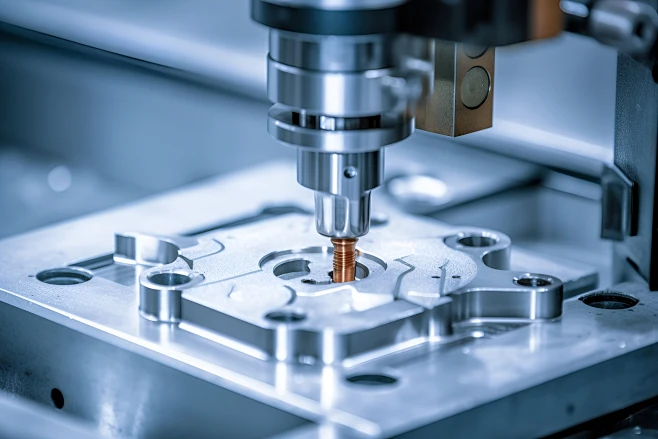
CNC milling can accommodate a wide variety of structural and geometric features. In addition to drilling holes and producing shaped slots, the process can remove larger sections of material and create curves, threads, asymmetrical shapes, pockets, and other detailed features. With the appropriate equipment and tooling, CNC milling can also produce highly complex three-dimensional structures, making it suitable for both relatively simple components and demanding precision parts.



 wade@axiprecision.com
 +8613686195573